

However, until the end of 2019, the authorities of the republic insisted on keeping a state monopoly in the Rogun hydroelectric power station — the country's largest energy industry enterprise.
The Rogun hydropower plant is located on the Vakhsh River, flowing through the territory of Tajikistan, Afghanistan and Kyrgyzstan. The HEP is part of a cascade of eight operating power plants. The construction of the Rogun hydropower plant began in 1976. According to the project, the power plant was supposed to have the highest dam in the world with a height of 335 meters. Productivity was supposed to reach 3.6 GW (over 17 billion kW/h per year) and make the HEP the most powerful in the region. The design was also unique in that the power units and other equipment had to be located in tunnels cut through the rock. In the early 90's, these laborious construction works ceased and resumed only in 2004. The completion of the rest of the project today is estimated at 4 billion US dollars. In 2019, the state spent about 220 million dollars on this project.
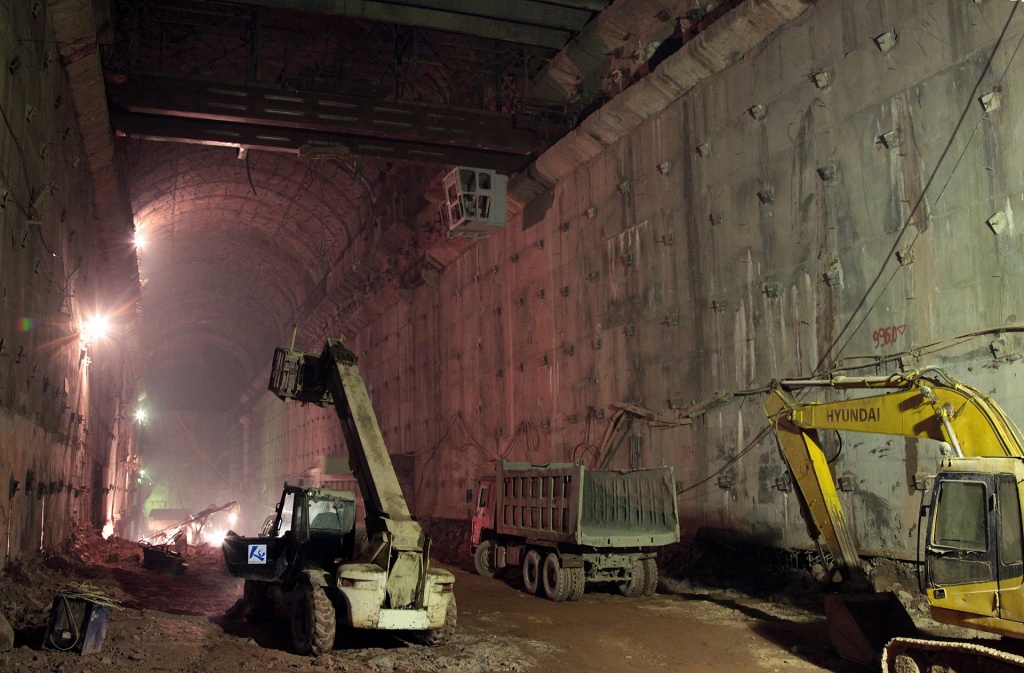
The first two hydropower units put into operation yield 240 MW or 1.6 billion kW/h per year, and the dam is now at a height of 135m. Commissioning of the last six units is scheduled for December 2029, and the dam water storage design height is expected to be reached by 2032.
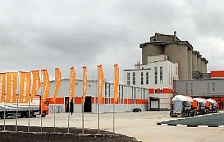
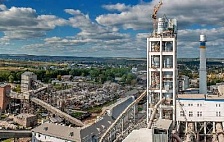
Sementi Tochik plant located in Dushanbe is the main supplier of cement to the Rogun HEP. This is the only enterprise in the republic that produces sulphate-resistant cement of proper quality. The plant operates on a wet production method. The plant is going to shut down over time due to its location — too close to residential areas. However, the enterprise will operate until the Rogun HEP project is finished. A major increase in demand for the plant’s product is expected in the coming years.
Sementi Tochik [Tajikcement] is a state-owned joint-stock company managing the Dushanbe cement plant, which was commissioned in the 1940s. Its annual capacity is 1.1 million tons of cement.
.jpg)